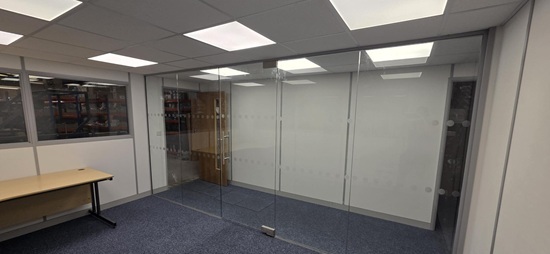
Suspended ceilings—also known as dropped or false ceilings—are secondary ceilings installed below the structural ceiling using a metal grid system. They are widely used in commercial buildings, offices, educational institutions, healthcare environments, and retail spaces thanks to their versatility, aesthetics, and functional advantages.
Suspended ceilings instantly improve the aesthetics of a room by concealing unsightly pipes, wiring, and ductwork. They create a neat, professional finish that enhances the overall environment.
Noise control is a key advantage. Acoustic ceiling tiles can significantly reduce sound transfer, making suspended ceilings ideal for offices, classrooms, and meeting rooms where focus is essential.
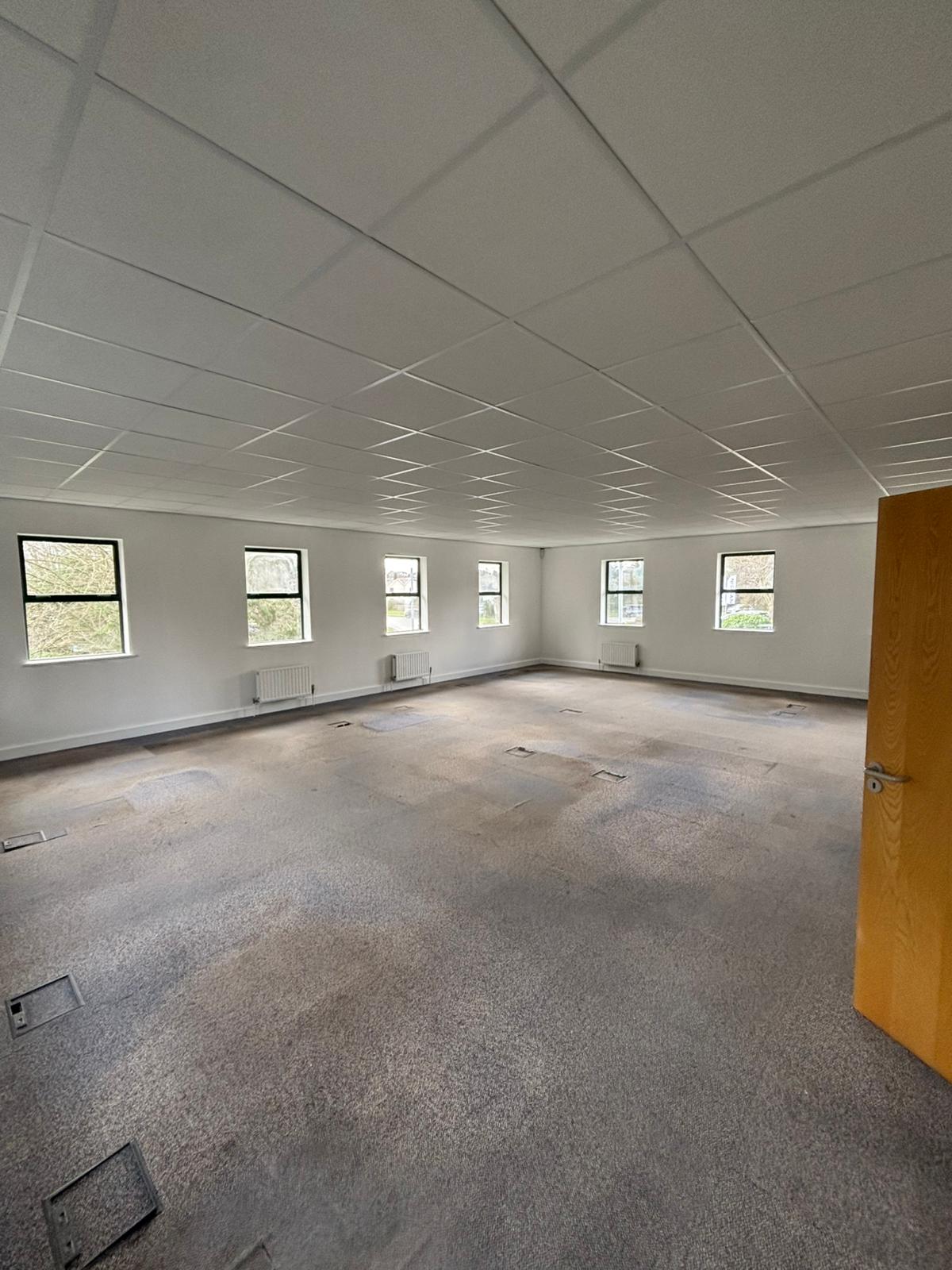
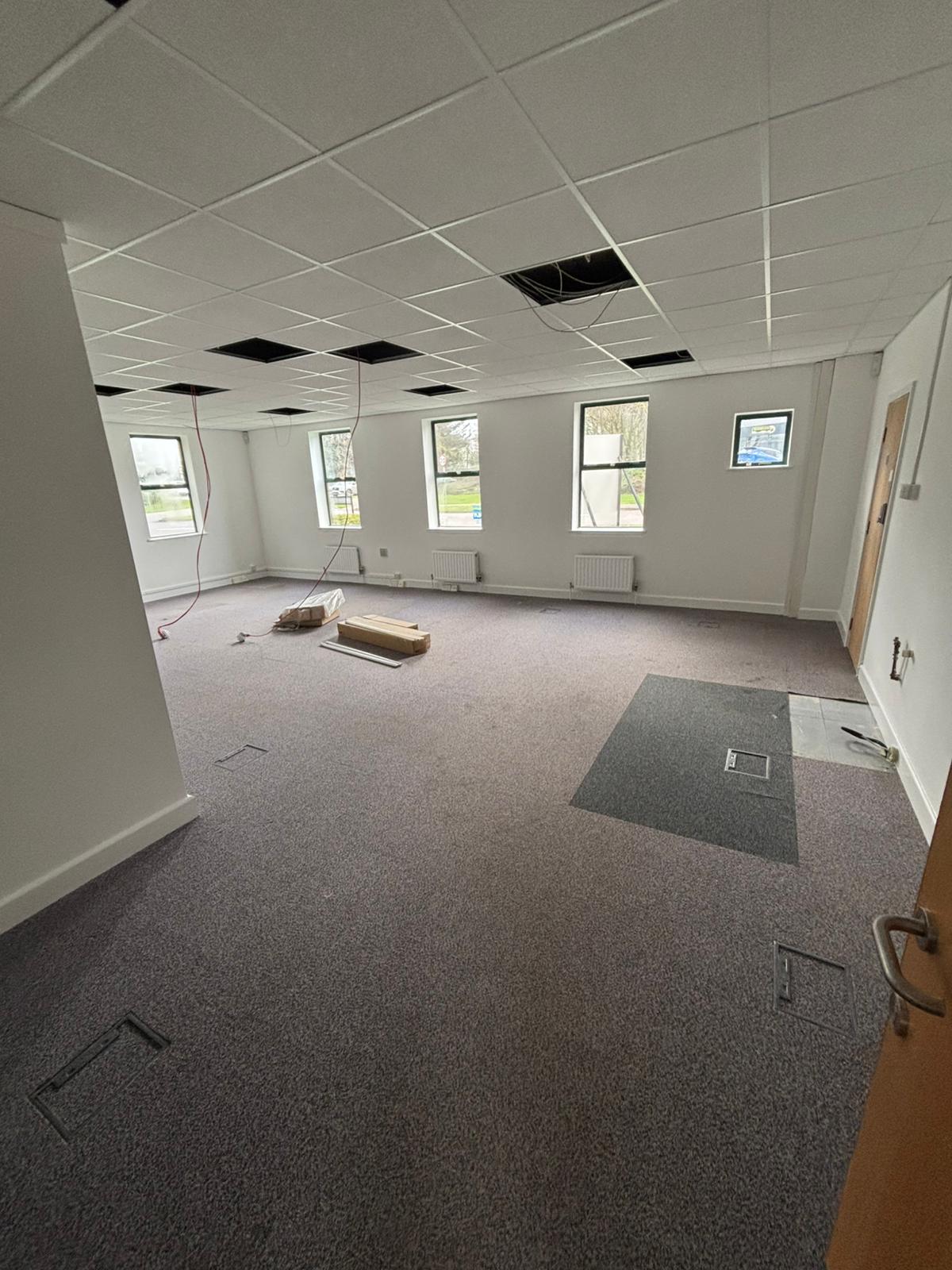
One of the biggest benefits of suspended ceilings is their practicality. Individual tiles can be removed for easy access to electrical wiring, air conditioning, and plumbing. If a tile becomes damaged, it can be quickly replaced without major disruption or cost.
Suspended ceilings can be fitted with fire-rated tiles, offering extra protection, and are designed to meet strict building regulation standards. Moisture-resistant tiles are also available for humid environments.
By lowering the ceiling height, suspended ceilings reduce the volume of air that needs heating or cooling. Paired with reflective tiles, they also improve light distribution, helping reduce energy costs.

Noise control is a key advantage. Acoustic ceiling tiles can significantly reduce sound transfer, making suspended ceilings ideal for offices, classrooms, and meeting rooms where focus is essential.
Whether you’re expanding, reorganising, or simply trying to improve efficiency, our experts will provide clear, practical recommendations tailored to your operation.

Your questions, Answered
A secondary ceiling hung below the main structure using a grid and tiles.
It hides services, improves acoustics, allows easy maintenance access, and enhances appearance.
Offices, shops, schools, hospitals, commercial buildings, and residential basements.
Yes. Small rooms can be completed in a few hours; larger areas take longer.
Ready to transform your warehouse space? Whether you’re looking for a full fitout, a mezzanine floor, or simply advice on the best storage solution, our team is here to help.